 The American Immigration Council is a non-profit, non-partisan organization.
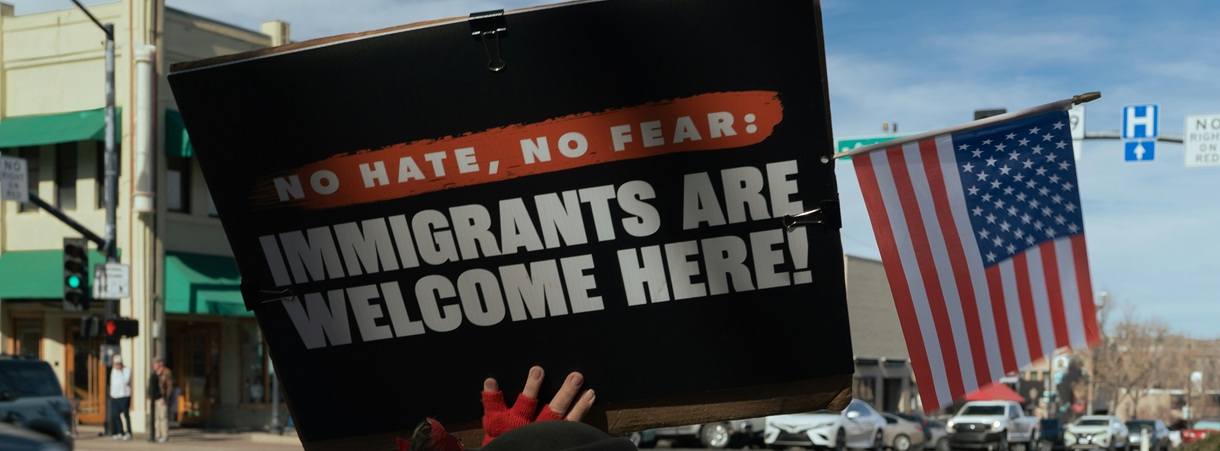
 Across the United States, communities are at the forefront of welcoming and protecting immigrants — recognizing that immigrants are not abstract political symbols but instead friends, family, coworkers, students, caregivers, and business owners. This sentiment is on display as community members continue to show up for their immigrant neighbors. Yet despite a desire to support their neighbors, many local communities find their efforts constrained — or outright undermined — by state and national policies that target immigrants.
Federal policy changes, including over 600 policy actions by the second Trump administration to date and unprecedented funding for the Department of Homeland Security for immigration enforcement, have resulted in the continued prioritization of aggressive immigration enforcement tactics over integration and well-being. These have resulted in significant changes rippling across the country, such as increases in the number of federal agents in cities like Los Angeles, Chicago, and Minneapolis; the stripping of people’s legal status; and the detention of refugees and other individuals with a legal right to be in the country. These actions, coupled with ICE’s deadliest year for detention on record in 2025, undermine safety and accountability across the country.
Amidst these changes, community members are increasingly pushing back against these hostile policies. In a recent poll by Fox News, 59% of voters agreed that ICE is too aggressive.
For local communities who want to stand with their immigrant neighbors, the policies that advance the Trump administration’s mass deportation agenda undercut and challenge existing support and integration efforts. Here’s how some local and federal actions are contradicting one another:
Economic well-being
Local action: States have invested in a variety of policies to grow immigrant participation in local workforces, including several states that have passed legislation to better integrate and utilize the talent of internationally-trained healthcare workers, ensuring that qualified talent can help meet healthcare shortages. For example, states have passed legislation like VA HB 2211 (2023) and TX HB 2038 (2025) that can increase pathways for qualified workers to practice.
Federal action: National policies, such as the repeal of Temporary Protected Status for many countries, the expanded travel ban, or the pause in processing immigration visas to 75 countries, leave many workers vulnerable. Simultaneously, aggressive immigration enforcement is having a hugely negative impact on local workforces and economies.
Education
Local action: Many communities strive to create safe, inclusive environments where all children can learn, such as by building newcomer programs or passing legislation that ensures all children can access education regardless of immigration or citizenship status.
Federal action: Aggressive enforcement tactics fueling this administration’s mass deportation agenda has resulted in lower attendance rates and increased bullying in schools.
Enforcement
Local action: While immigrants were previously able to seek medical care, go to school, attend religious services, and access other key services without fear of encountering immigration enforcement, the second Trump administration rescinded a policy to limit enforcement in these protected areas soon after it took office. As a result, some school districts have sought to reassure families of their safety on school grounds or traveling to and from school, even going as far as suing the Department of Homeland Security.
Federal action: Local authority is limited when federal policies and action set a different precedent. Litigation against federal agencies can be time consuming, and in the meantime, children miss school for fear of encountering immigration agents.
Healthcare
Local action: Community clinics and local health departments frequently aim to provide care regardless of immigration status, bolstering the health of the community at-large. State legislatures are also increasingly introducing legislation to impact immigrants’ access to state-supported coverage and programming.
Federal action: The chilling effects of national policies are deterring residents from seeking timely, necessary care.
Legal services
Local action: Places like Massachusetts have created legal defense funds to increase access to immigration legal services.
Federal action: The Trump administration is undermining local legal efforts in a variety of ways. People often cannot access their lawyer due to being relocated to another state, face restrictions in accessing their attorney, are denied due process, are stuck in detention for prolonged periods, and find their routine immigration appointments turning into enforcement encounters.
The direct consequences and chilling effect of the Trump administration’s policies harm everyone, not just immigrants. Without alignment at the local, state, and national levels, a range of policy efforts can be threatened. When local communities are prevented from responding to their own realities, trust in institutions erode, communities become less safe, local workforces and economies struggle, and everyone suffers.
Still, communities persist. State and local leaders continue to push forward protective policies that prioritize due process, community safety, and dignity for all residents. Already this year, Mayor Smiley of Providence, Rhode Island, signed Executive Order 2026-1 that prohibits civil immigration enforcement activities to take place on city-owned property. Stockton, California unanimously adopted a resolution to declare itself a “compassionate city.” Local nonprofits and community members also continue to find new and innovative ways to support their immigrant neighbors. In Minnesota, neighbors deliver food and give rides to those who are afraid to leave their home due to increased enforcement activity. In Chicago, volunteers help immigrant parents get their children to school safely, and Colorado launched a new platform to report misconduct by federal agents.
Local communities standing on the frontlines know firsthand what works: safety through inclusion, stability through support, and resilience through collaboration. When immigrants feel safe and secure, the entire community benefits: public health improves, schools are strengthened, and local economies grow stronger.