Demographics
Immigrants are a vital, dynamic part of the U.S. population—especially when it comes to the workforce. 77.1% of immigrants are of working age (16–64), compared to just 62.0% of U.S.-born residents, making them key contributors to the economy as both taxpayers and consumers.
- 22.9 million immigrants are active in the U.S. workforce
- 74% of foreign-born residents are proficient in English
- 89.4% of all undocumented immigrants are of working age
- 5.2 million U.S. citizen children living with at least one undocumented family member
- Only 4.9% of immigrants are under 15, compared to 20.3% of U.S.-born residents
- 18% of immigrants are 65+, nearly identical to the 17.7% of U.S.-born seniors

Michigan Pushes Plan to Welcome Immigrants and their Revitalizing Power to State
While some states pushed for punitive immigration measures over the last year—measures designed to drive immigrants away —others, like those in Michigan, were busy putting together a plan that welcomes immigrants and their revitalizing power to the state. This month, leaders in Michigan—including state Rep. Rashida Tlaib (D-Detroit) and U.S. Rep. Hansen Clarke (D-Detroit)—helped launch “Welcoming Michigan,” a statewide initiative that seeks to welcome immigrants and their entrepreneurial talents to Michigan. Read More

New Data Sheds Light on the Potential Power of Immigrant Voters
It is difficult to quantify the electoral power of immigrant voters. However, new data from DHS' Office of Immigration Statistics provides us with one way to gauge the electoral potential of the immigrant population. The numbers tell us how many Legal Permanent Residents (LPRs) arrived in each county of the United States since 1985. Using this data, it is possible to compare the number of post-1985 LPRs in each county against the margin of victory in the 2008 McCain-Obama contest. This helps to pinpoint where immigrants could be a potent electoral force if they naturalized and voted en masse. Read More

SB1070 Author Shares Fears About America Becoming a “Minority, Majority” Nation
On the same day the Supreme Court heard oral arguments in Arizona v. United States the Washington Post published an article featuring Michael Hethmon, general counsel for the Immigration Reform Law Institute. Hethmon is the lesser-known legal mind behind SB1070, and a variety of other anti-immigrant measures. His legal counterpart, Kris Kobach tends to get the spotlight; however Hethmon didn’t shy away from the Washington Post this week and was frank about his views on the real issues underlying SB1070. Read More

Several Factors Cited for Drop in Net Migration from Mexico
Net migration from Mexico to the United States, both legal and illegal, now stands at zero—or less. In other words, the number of migrants coming here from Mexico is equal to, or less than, the number of migrants leaving or being deported from the United States and returning to Mexico. That is the main conclusion of a new report from the Pew Hispanic Center, which echoes last year’s findings by researchers in the Mexican Migration Project (MMP) at Princeton University and the Universidad de Guadalajara. The Pew report points out that this trend is the result of several factors, ranging from U.S. economic conditions to Mexican birth rates. The report also cautions that the trend could conceivably be reversed when the U.S. job market recovers and labor demand grows. Read More

Young, Professional DREAMers Deserve Recognition
Earlier this week, numerous media outlets covered the story of Jose Godinez-Sampiero, a DREAM Act-eligible law school graduate whose application for a law license is currently pending before the Florida Supreme Court. Similar stories are playing out in California and New York, as young people brought to this country as children are now law school graduates, trying to make use of their professional degrees. The problem isn’t just for young lawyers, however, but is faced by many DREAMers, such as Dulce Matuz, an engineer turned DREAM Act advocate, who made Time Magazine’s Top 100 list this week. Read More

The Coming Wave of Second-Generation Voters
The Latino vote is widely discussed at election time, yet little analysis is dedicated to the “immigrant vote,” and even less to the growing bloc of voters who are the U.S.-born children of immigrants. Yet, both immigrants and their children are showing tremendous growth and voting potential. Although many second-generation Americans are still children, more and more of them will come of voting age in future elections. As that happens, political candidates will be forced to take notice. Read More
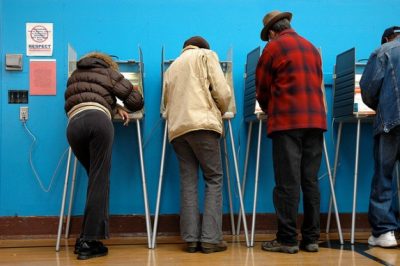
Number of Potential Immigrant Voters on the Rise in Key Super Tuesday States
Three of the twelve states holding Republican primaries or caucuses on Super Tuesday—Georgia, Massachusetts and Virginia—show especially strong trends in the numbers of foreign-born residents who have become U.S. citizens. This trend is significant given that these new Americans are able to register and vote. Immigrant communities in each of these states are large, exceeding 800,000 persons, and make up almost 10% or more of the statewide population. In fact, these three states are home to 71% of all immigrants living in the Super Tuesday states. While we don’t yet know how many of these naturalized U.S. citizens will vote on Super Tuesday or in the general election, GOP presidential candidates—many of whom have taken a hard line on immigration—would do well to take note of this trend. Read More
Number of Potential Immigrant Voters on the Rise in Key Super Tuesday States
Three of the twelve states holding Republican primaries or caucuses on Super Tuesday—Georgia, Massachusetts and Virginia—show especially strong trends in the numbers of foreign-born residents who have become U.S. citizens. This trend is significant given that these new Americans are able to register and vote. Immigrant communities in each of these states are large, exceeding 800,000 persons, and make up almost 10% or more of the statewide population. In fact, these three states are home to 71% of all immigrants living in the Super Tuesday states. While we don’t yet know how many of these naturalized U.S. citizens will vote on Super Tuesday or in the general election, GOP presidential candidates—many of whom have taken a hard line on immigration—would do well to take note of this trend. Read More

New Data Highlights Immigrant Integration and Economic Contributions
A recent analysis of data from the Census Bureau highlights the degree to which immigrants integrate into U.S. society and contribute to the U.S. economy. In its latest statistical profile of the foreign-born population, the Pew Hispanic Center presents statistics which illustrate that most immigrants have been here for more than a decade, more become homeowners the longer they are here, and growing numbers are becoming U.S. citizens. Moreover, the data show the degree to which immigrants fuel labor-force growth and fill valuable roles in the economy as workers in both high-skilled and less-skilled occupations. Read More
All gifts are matched dollar for dollar
No one should face the immigration system alone