Elections & Voting
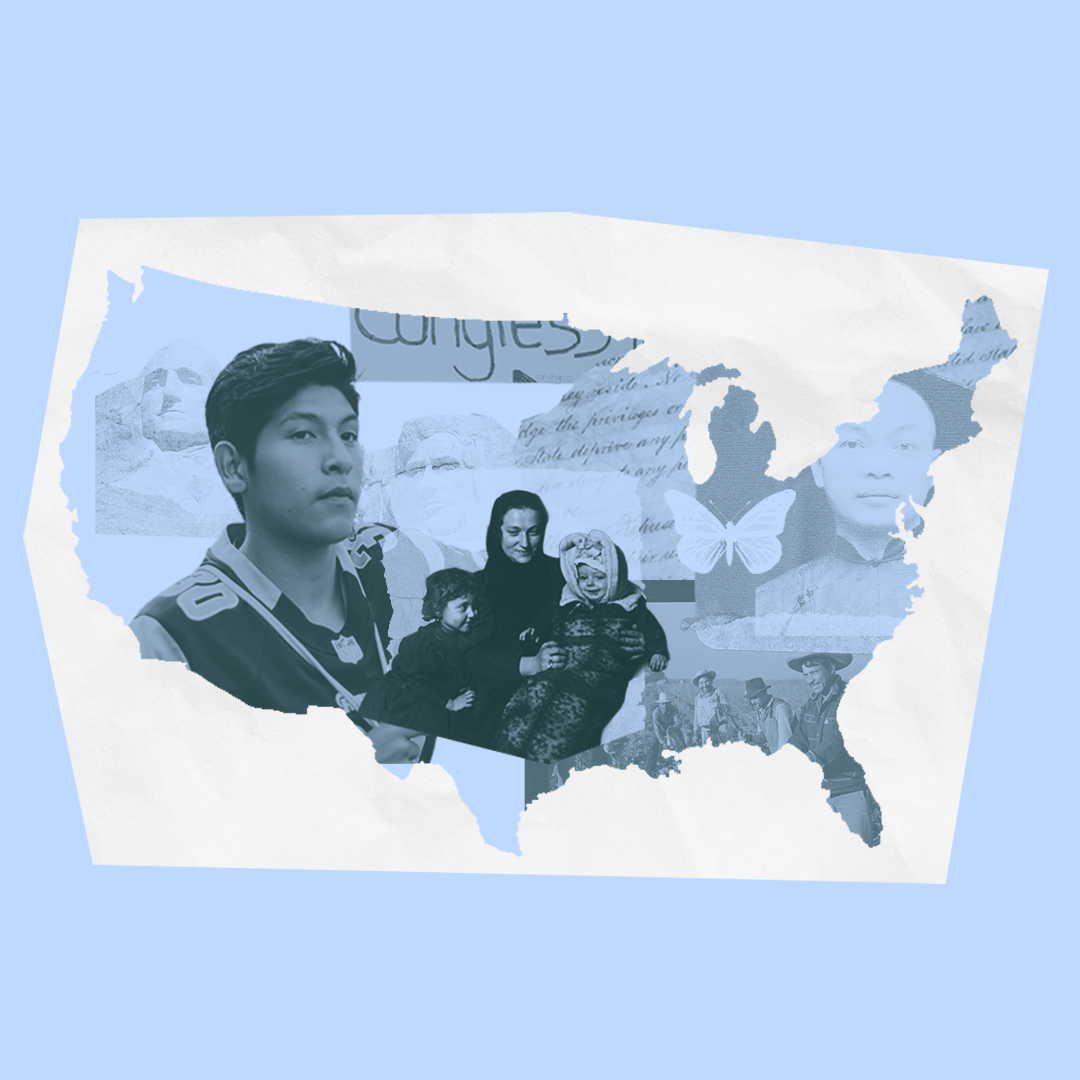
The growth in the immigrant population has helped to strengthen and remake America over the last two decades. Today, as thousands of baby boomers retire each day, working-age immigrants are filling gaps in the labor market, paying billions of dollars in taxes that help our entitlement programs survive, and buying homes in communities that would otherwise be in decline. Millions of immigrants have also earned U.S. citizenship and the right to vote while millions more are estimated to be eligible to naturalize.

In Speech, Romney Provides Few Details on Immigration Policy
On Thursday, Mitt Romney gave a much-anticipated speech in which he was expected to address whether—as President—he would reverse the new Obama administration policy toward immigrant youths who would qualify for the DREAM Act. The answer? It’s still unclear. Despite adopting a noticeably softer tone toward undocumented immigrants, Romney again failed to say whether he would overturn the policy and provided few other details as to how he would tackle the most intractable problem of the immigration debate. Read More
New Data Reveals Immigrants’ Voting Potential at the Local Level
Newly obtained data from the DHS Office of Immigration Statistics provide another indication that immigrants in the United States hold untapped electoral power. There are 8.1 million legal immigrants who arrived in this country between 1985 and 2005 and who are likely eligible to become naturalized U.S. citizens with the power to vote. If these immigrants were already U.S. citizens, and if they registered to vote at the same rate as other naturalized citizens (61%), counties across the nation would see their voter registration rolls jump dramatically. Read More

America’s Demographic Challenge
The US faces an aging population, fewer workers and a slower economy. Immigrants can reverse that. The United States needs immigrant workers as its workforce ages. In 2012, the median age of the American worker will be the highest in its history at 41.6 years old. As birth rates fall… Read More
New Data Sheds Light on the Potential Power of Immigrant Voters
It is difficult to quantify the electoral power of immigrant voters. However, new data from DHS' Office of Immigration Statistics provides us with one way to gauge the electoral potential of the immigrant population. The numbers tell us how many Legal Permanent Residents (LPRs) arrived in each county of the United States since 1985. Using this data, it is possible to compare the number of post-1985 LPRs in each county against the margin of victory in the 2008 McCain-Obama contest. This helps to pinpoint where immigrants could be a potent electoral force if they naturalized and voted en masse. Read More

The Coming Wave of Second-Generation Voters
The Latino vote is widely discussed at election time, yet little analysis is dedicated to the “immigrant vote,” and even less to the growing bloc of voters who are the U.S.-born children of immigrants. Yet, both immigrants and their children are showing tremendous growth and voting potential. Although many second-generation Americans are still children, more and more of them will come of voting age in future elections. As that happens, political candidates will be forced to take notice. Read More

Being Anti-Immigrant Doesn’t Work in Politics, Even in the South
Alabama State Sen. Scott Beason outside the State House. While anti-immigrant sentiment may win candidates a few headlines, it certainly doesn’t resonate with every day voters. Following Alabama’s GOP primary this week, a CNN exit poll found that “illegal immigration” was not a top-of-mind issue for many Alabamians. According to the survey, only 3% of the respondents cited “illegal immigration” as the most important issue for them, trailing “the economy” at 59% and the nation’s “budget deficit” at 25%. Ironically, residents of the state with the toughest anti-immigrant law in the nation (HB 56) don’t see eye to eye with the legislators who pushed the law through the legislature last year. In fact, residents don’t seem to want anti-immigrant legislators representing them in Congress. Read More
Number of Potential Immigrant Voters on the Rise in Key Super Tuesday States
Three of the twelve states holding Republican primaries or caucuses on Super Tuesday—Georgia, Massachusetts and Virginia—show especially strong trends in the numbers of foreign-born residents who have become U.S. citizens. This trend is significant given that these new Americans are able to register and vote. Immigrant communities in each of these states are large, exceeding 800,000 persons, and make up almost 10% or more of the statewide population. In fact, these three states are home to 71% of all immigrants living in the Super Tuesday states. While we don’t yet know how many of these naturalized U.S. citizens will vote on Super Tuesday or in the general election, GOP presidential candidates—many of whom have taken a hard line on immigration—would do well to take note of this trend. Read More
Number of Potential Immigrant Voters on the Rise in Key Super Tuesday States
Three of the twelve states holding Republican primaries or caucuses on Super Tuesday—Georgia, Massachusetts and Virginia—show especially strong trends in the numbers of foreign-born residents who have become U.S. citizens. This trend is significant given that these new Americans are able to register and vote. Immigrant communities in each of these states are large, exceeding 800,000 persons, and make up almost 10% or more of the statewide population. In fact, these three states are home to 71% of all immigrants living in the Super Tuesday states. While we don’t yet know how many of these naturalized U.S. citizens will vote on Super Tuesday or in the general election, GOP presidential candidates—many of whom have taken a hard line on immigration—would do well to take note of this trend. Read More

A New Way to Measure the Burgeoning Power of the Immigrant Vote
Voter registration is a key measure of immigrant integration. After all, what could be more American than casting your ballot on Election Day? When measuring immigrant voting patterns, voter registration is typically defined as the percent of naturalized immigrants (those who have become U.S. citizens) who are registered to vote. In other words, we only look at those currently eligible to vote because they have naturalized, instead of looking at the percentage of naturalized registered voters against all immigrants, documented or undocumented. The problem with that approach is we miss a big and important picture on the potential of the immigrant voting block—that many of those not eligible now, may well be eligible in the future. Read More
Your support moves the American story toward justice, dignity, and belonging.
America's story is an immigrant story.