Immigration 101
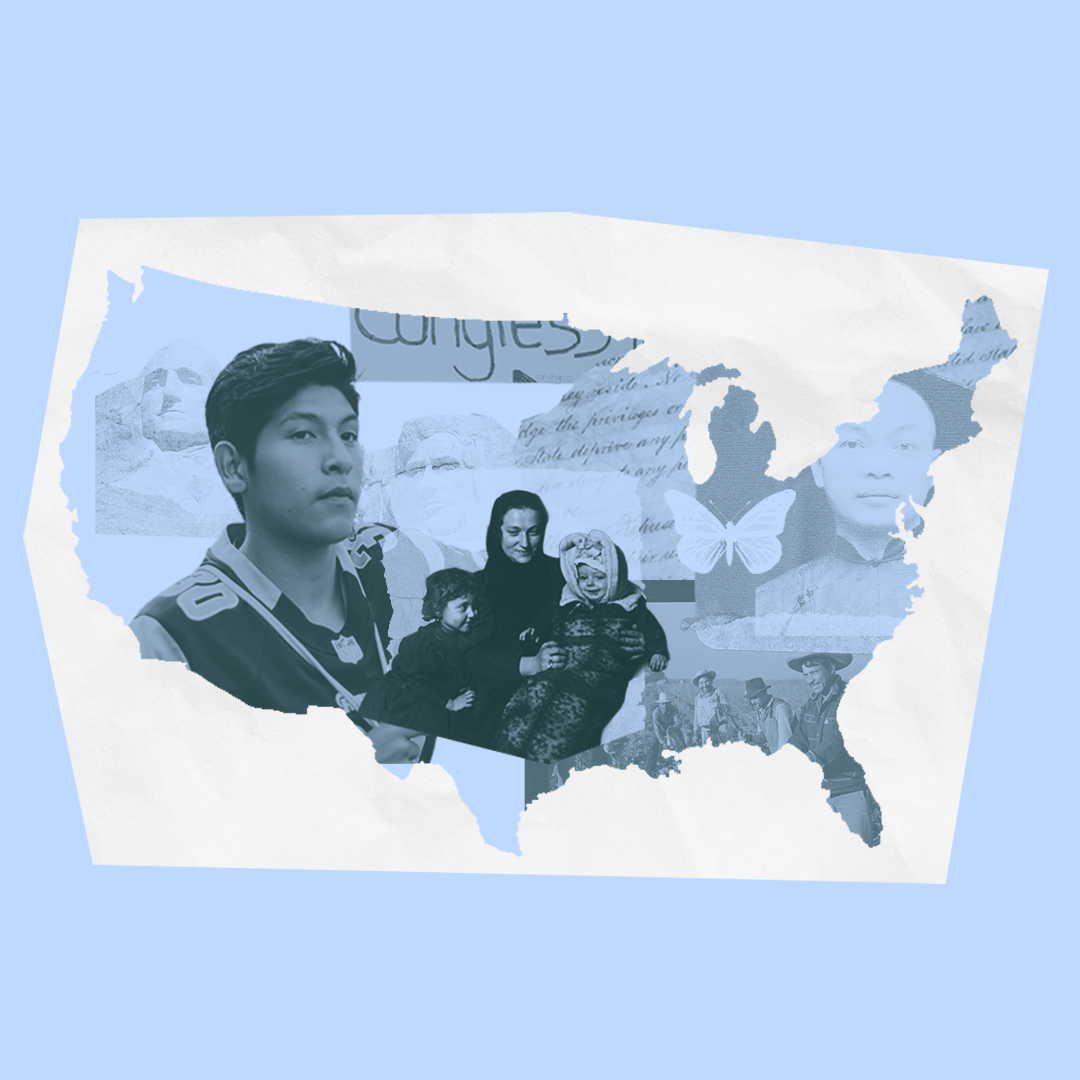
Immigration in the United States is complex and ever-evolving. Start here to understand the fundamental aspects of immigration policy, its history, and its impact on both individuals and the country at large. Learn commonly used terms about immigration law and how the U.S. immigration system is designed. Explore layered topics like how and whether immigrants can become citizens, as well as what individual protections look like under the law.

DACA Entrepreneur Gives Back, Offers Free Web Training
Ramiro Rodriguez is an ivy league-educated entrepreneur whose startup, the live-streaming company Riivet, recently graduated from a tech accelerator program to a company with a dozen steady clients. He is also an undocumented immigrant who owes his success to Deferred Action for Childhood Arrivals (DACA), a 2012 policy that allows… Read More
Dreamer Wants to Give Back to U.S. — To Do So Needs DACA
Ana Ramirez grew up in north-central Washington, studying hard, earning good grades, and believing she had the same opportunities as her peers. It wasn’t until she was a freshman in high school that she learned the truth. After being accepted into a European summer study program, she ran home to… Read More
Immigration Reform Calls For ‘Complete Shift in Mentality,’ Says Georgia Lawyer
“I come from a very conservative family, but my parents raised me to believe we are all equal in God’s eyes,” says Ashley Deadwyler-Heuman, an immigration lawyer in Macon, Georgia. “Our horrific immigration court system treats many people without dignity or respect. Being able to level that playing field is… Read More

Where Do You Find the Most Resistance to Immigration?
Conventional thinking may lead some to believe that those communities that fight the hardest against immigration are the ones receiving the greatest influx of foreign newcomers. If people are wary of the changes immigrants are bringing to their communities, they would naturally seem to be the most vocal in… Read More
Helping Immigrant Workers Helps U.S. Workers and Towns, Says Mainer
As the client services coordinator for Mano en Mano (Hand in Hand), Christina Ocampo understands that helping undocumented farmworkers and other immigrants prosper has a positive impact overall on America’s communities. Nationally, undocumented immigrants account for more than 36 percent of the agriculture workforce. And because this… Read More
With DACA, a Young Woman is Able to Help Americans Start a Business
When Dalia Garcia was 4, her parents brought her across the Mexican border without immigration papers. Back home, they had struggled to find work and feared for their safety because gang violence had taken over their home city of Oaxaca. Life in America was not always easy, because Garcia and… Read More
Arkansas Accountant: Immigrants Pay A Lot Into Local Economies
As the owner of All Services Consulting in Hot Springs, Arkansas, Jacquelynn Cadena helps immigrant entrepreneurs run their businesses efficiently and profitably. She advises them on bookkeeping, insurance, and filing taxes — whatever clients need to best serve their customers and the local economy. With hundreds of clients since she… Read More

Three-Year-Old Immigrant Child Released After Two Years of Detention
An immigration judge ordered the immediate release of a three-year-old immigrant child and his mother from a detention center in rural Pennsylvania on Monday, stating that it was one of the most sympathetic cases for release he had encountered in his career. The child’s release marks what will hopefully be… Read More
Chamber Maid Part of Las Vegas’ Invisible Army of Immigrant Workers
Mexican immigrant Claudia Ramos is a member of the largely invisible army that keeps Las Vegas’ tourist economy booming. She cleans guest rooms at the Paris Casino to serve some of the nearly 43 million people who visit southern Nevada annually. People don’t realize the work that… Read More
Iraqi Military Interpreter Yearns to Serve U.S. Through Teaching
Safwat Al Baali is grateful for his housekeeping job at the Cosmopolitan Hotel, on the glittery Las Vegas strip. After scraping by for seven months upon receiving political asylum, he is thrilled to be averaging $17.25 an hour with tips. “My life is so good now,” he says. Al Baali… Read More
Your support moves the American story toward justice, dignity, and belonging.
America's story is an immigrant story.