Immigration at the Border

Las Denuncias de Abuso por parte de Agentes Fronterizos Rara Vez Resultan en Acción
Un nuevo informe del American Immigration Council revela la notoria falta de rendición de cuentas y transparencia que afectan a la Patrulla Fronteriza de los Estados Unidos y su agencia matriz, la Oficina de Aduanas y Protección Fronteriza (CBP, por su sigla en inglés). El informe, titulado “Sin… Read More

All the Action on Immigration is (Still) in the States
Although their fate ultimately likes in federal immigration reform, unauthorized immigrants are getting much help from state and local officials who are taking pragmatic steps to allow undocumented immigrants to pay in-state tuition and to limit local law enforcement from honoring immigration detainers issued by federal immigration authorities. On… Read More

Complaints of Abuse by Border Agents Rarely Lead to Action
In a new report, the American Immigration Council shines a light on the lack of accountability and transparency which afflicts the U.S. Border Patrol and its parent agency, U.S. Customs and Border Protection (CBP). The report, titled No Action Taken: Lack of CBP Accountability in Responding to Complaints… Read More

Courts Should Hold Border Patrol Agents Accountable for Fourth Amendment Abuses
In October 2010, while Alejandro Garcia de la Paz was returning to San Antonio from his work outside of Vanderpool, Texas, two agents from the United States Border Patrol pulled the truck he was riding in over to the side of the road. Although the driver, Alejandro and… Read More
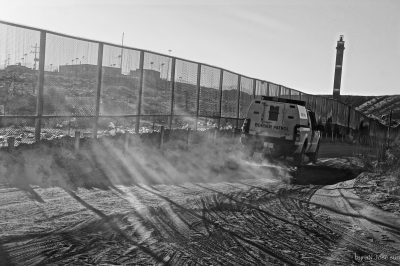
No Action Taken: Lack of CBP Accountability in Responding to Complaints of Abuse
Of the 809 complaints of alleged abuse lodged against Border Patrol agents between January 2009 and January 2012, 97 percent resulted in “No Action Taken.” On average, CBP took 122 days to arrive at a decision when one was made. Read More
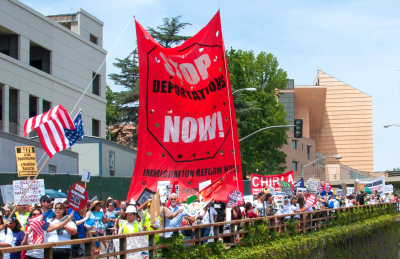
May Day Protests Remind Legislators Immigration Reform is Workers Issue
On Thursday, protesters expressed their mounting frustration over Congress’ failure to pass immigration reform in May Day demonstrations across the nation. From New York to California, thousands of labor, faith, and immigrant rights activists took to the streets to lift up the positive impact immigrant workers have on our… Read More

Florida Legislators Approve In-State Tuition for Undocumented Students
The Republican-controlled Florida legislature has passed HB 851, a bill allowing qualified undocumented immigrants to pay in-state tuition rates at public colleges and universities. After voting against similar bills in previous years, the Florida Senate approved the legislation on Thursday. The state House had already passed the… Read More

New Report Sheds (Some) Light on the U.S. Deportation Regime
A new report from the Migration Policy Institute (MPI) compiles a wide array of data and analysis describing the recent history and current configuration of the U.S. deportation regime. The prevalence of deportations that don’t involve an immigration judge, the criminalization of immigration offenses, the massive expansion… Read More

Virginia Allows DACA Recipients to Pay In-State Tuition
Young immigrants in Virginia who receive temporary legal status through the Deferred Action for Childhood Arrivals (DACA) program now qualify for in-state tuition at state colleges and universities. Virginia Attorney General Mark Herring made the announcement Tuesday at the Northern Virginia Community College. “We should welcome these smart,… Read More
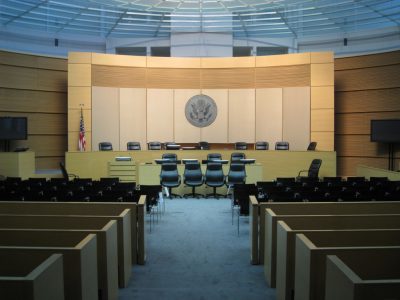
Removal Without Recourse: The Growth of Summary Deportations from the United States
The deportation process has been transformed drastically over the last two decades. Today, two-thirds of individuals deported are subject to what are known as “summary removal procedures,” which deprive them of both the right to appear before a judge and the right to apply for status in the United States. In 1996, as part of the Illegal Immigration Reform and Immigrant Responsibility Act (IIRIRA), Congress established streamlined deportation procedures that allow the government to deport (or “remove”) certain noncitizens from the United States without a hearing before an immigration judge. Two of these procedures, “expedited removal” and “reinstatement of removal,” allow immigration officers to serve as both prosecutor and judge—often investigating, charging, and making a decision all within the course of one day. These rapid deportation decisions often fail to take into account many critical factors, including whether the individual is eligible to apply for lawful status in the United States, whether he or she has long-standing ties here, or whether he or she has U.S.-citizen family members. In recent years, summary procedures have eclipsed traditional immigration court proceedings, accounting for the dramatic increase in removals overall. As the chart below demonstrates, since 1996, the number of deportations executed under summary removal procedures—including expedited removal, reinstatement of removal, and stipulated removal (all described below)—has dramatically increased. In Fiscal Year (FY) 2013, more than 70 percent of all people Immigration and Customs Enforcement (ICE) deported were subject to summary removal procedures. Expedited Removal (INA § 235(b)) Read More
