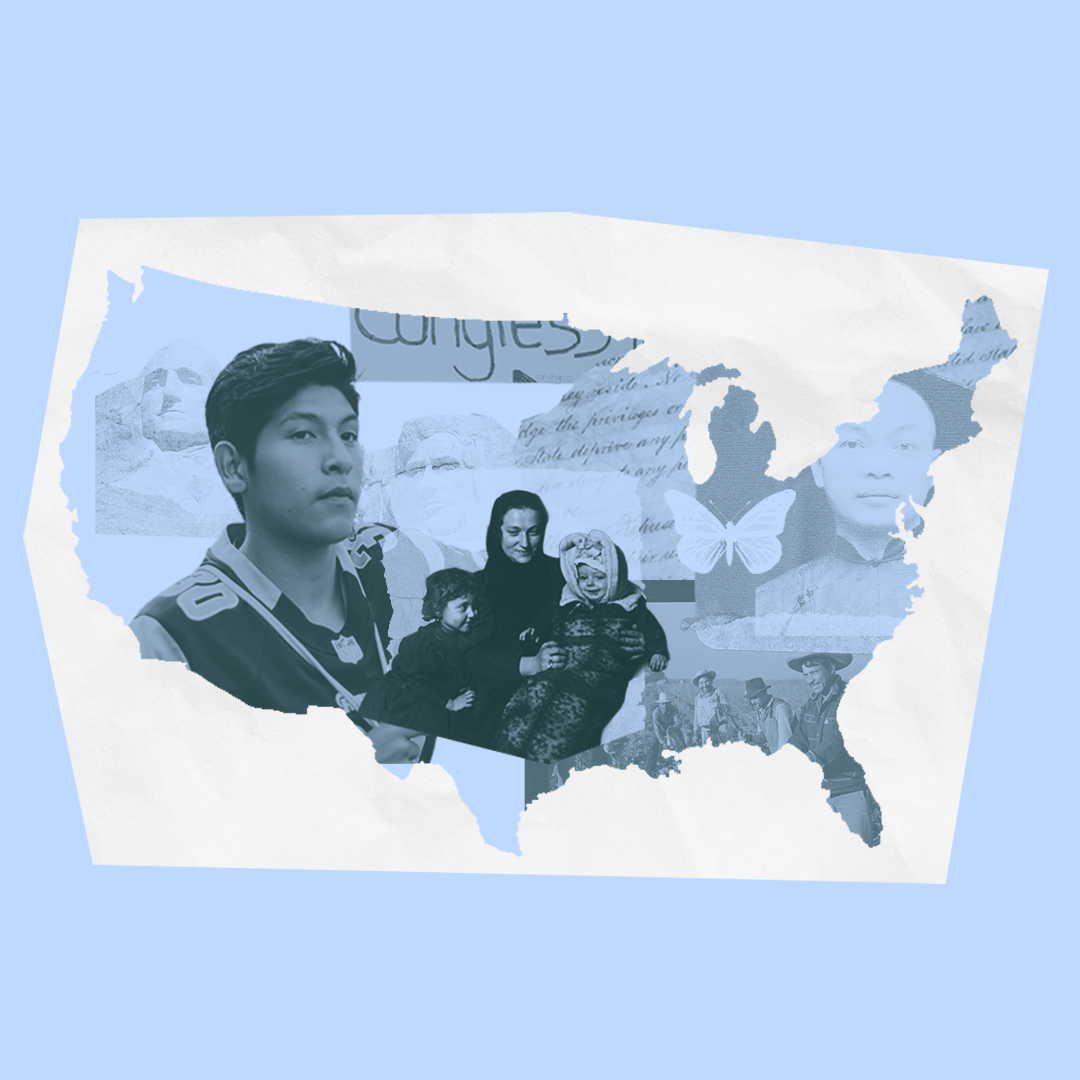
Immigration Reform
The last time Congress updated our legal immigration system was November 1990, one month before the World Wide Web went online. We are long overdue for comprehensive immigration reform.
Through immigration reform, we can provide noncitizens with a system of justice that provides due process of law and a meaningful opportunity to be heard. Because it can be a contentious and wide-ranging issue, we aim to provide advocates with facts and work to move bipartisan solutions forward. Read more about topics like legalization for undocumented immigrants and border security below.
A Mandatory Employment Verification System without Reform is a Recipe for Disaster
Unabashed promoters of E-verify have had a busy week, moving from hearings in the Senate and House to Rep. Heath Shuler's (D-NC) pep rally for the 2009 version of his fatally flawed SAVE Act—a bill that continues to promote the deportation-only version of immigration reform. Step back from all this activity, however, and two things are clear: 1) serious problems continue to plague a wide-scale implementation of an electronic employment verification system (EEVS); and 2) those problems won't be tackled except in the context of comprehensive immigration reform. Read More

New Yorker Profile of Joe Arpaio is Not a Pretty Picture
The July 20th issue of The New Yorker paints a detailed portrait of Maricopa County, Arizona’s Sheriff Joe Arpaio—and it is not a pretty picture. The profile of “Sheriff Joe” that emerges from the story by journalist William Finnegan is that of a man obsessed with publicity and self-promotion, who has a deep streak of sadism and little regard for the U.S. Constitution, civil rights, actual crime-fighting, or protecting the safety of the public he ostensibly serves. While Arpaio persists in his personal crusade against unauthorized immigrants, serious crimes go unsolved, emergency-response times climb, and the rights of native-born Americans and immigrants alike are routinely trampled in the process. The most remarkable aspect of this story is that Arpaio is still legally permitted to carry a badge and a gun after more than a decade and a half of egregiously abusing his power. Read More

New Yorker Profile of Joe Arpaio is Not a Pretty Picture
Photo by TheRagBlog. The July 20th issue of The New Yorker paints a detailed portrait of Maricopa County, Arizona’s Sheriff Joe Arpaio—and it is not a pretty picture. The profile of “Sheriff Joe” that emerges from the story by journalist William Finnegan is that of a man obsessed with publicity and self-promotion, who has a deep streak of sadism and little regard for the U.S. Constitution, civil rights, actual crime-fighting, or protecting the safety of the public he ostensibly serves. While Arpaio persists in his personal crusade against unauthorized immigrants, serious crimes go unsolved, emergency-response times climb, and the rights of native-born Americans and immigrants alike are routinely trampled in the process. The most remarkable aspect of this story is that Arpaio is still legally permitted to carry a badge and a gun after more than a decade and a half of egregiously abusing his power. Read More

Senate Hearing on Employment Verification System Leaves Many Questions Unanswered
Today the Senate Immigration Subcommittee held a hearing addressing electronic employment verification. While today’s hearing acknowledged that employment verification is an important element of comprehensive immigration reform, serious questions remain about how a mandatory employment verification system should be designed. Today’s momentum building must be paired with serious analysis of the many serious issues involved with a large, mandatory employment verification system. While employment verification is viewed as an immigration enforcement tool, it is a program that affects every person working in the U.S.—including U.S. citizens. Before moving forward, several things must be addressed: Read More

Rise in Latino and Asian Voters Marks Significant Change in Political Landscape
Today, the U.S. Census Bureau published new data, Voting and Registration in the Election of 2008, which tracks demographic characteristics of the 131 million U.S. citizens who reported that they voted in the 2008 presidential election. The Census Bureau’s new data set shows a significant increase of about 5 million voters from the 2004 presidential election—including 2 million more Latino voters and 600,000 more Asian voters. Relative to the presidential election of 2004, the voting rates for blacks, Asians, and Latinos each increased by about 4 percentage points. The voting rate for non-Latino whites decreased by 1 percentage point. Read More

Old Anti-Immigrant Ideas, Even Bad Ones, Die Hard
Without an ounce of originality, tired old anti-immigrant groups are once again joining forces to exploit California’s bad economy and scapegoat the Golden State’s immigrant population. Through a ballot initiative, they seek to cut benefits to U.S. citizen children and throw the 14th amendment of the U.S. constitution, which grants individuals born in America their citizenship, out the window. According to the L.A. Times, the organizers of the amendment are seeking to curb what they call “invasion by birth canal" and are using the bad California economy as their latest opportunity to bash immigrants. Read More

Including Immigrants in Health Care Reform Makes Economic Sense
Soon after the health care debate began in Washington, Congress immediately started running into immigration potholes. For the most part, the health care conversation centers around plans to insure as many Americans as possible. Experts, Members of Congress and the Administration generally agree that it is less costly in the long-run to include as many people as possible. However, it gets trickier when they begin considering that approximately 12% of the U.S. population is foreign-born. While most in Washington have completely written off the possibility of including undocumented immigrants in any kind of coverage plan, Congress continues to be perplexed over legal permanent residents—our citizens-in-waiting. Yet loads of good data present a compelling argument for why it makes more sense to be inclusive: Read More
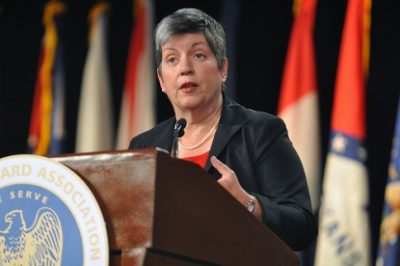
Policy or Politics? DHS Changes and Expands 287(g) Program
Last Friday, Department of Homeland Security (DHS) Secretary Janet Napolitano announced changes to the controversial 287(g) program—a program which allows state and local police agencies to partner with ICE to enforce federal immigration laws. DHS also announced that, rather than waiting for the new policies to be implemented and tested, it has expanded the problematic 287(g) program with 11 new Memoranda of Agreement (MOAs). The 287(g) program has been broadly criticized by immigrant and civil rights advocates, religious leaders, elected officials and the police themselves. Numerous reports from think tanks, academics, community organizations and police associations have shown that the 287(g) program costs valuable resources, results in mistakes and racial profiling, does not effectively control illegal immigration, and makes it more difficult for the police to serve and protect their communities. Even the government found fault with how the program was being implemented. A March 2009 report by the Government Accountability Office (GAO) found the 287(g) program did not have clear goals and objectives and lacked consistent supervision. Read More

Large Immigrant Populations Keep Cities Safe, Just Ask El Paso, TX
El Paso, Texas, is a relatively poor, Hispanic, gun-friendly city and home to many undocumented immigrants. Yet although El Paso is adjacent to a violence-riddled Mexican city, it’s actually counted among the safest big cities in the U.S. Why is El Paso so safe? A recent article in Reason Online dispels some of the myths associated with immigrants and crime. Many Americans believe that immigrants—especially illegal immigrants—are associated with high levels of crime. However, according to criminologist Jack Levin, El Paso is safe because of its immigrant population. Read More

Politics as Usual: Senate Amendments Make Bad Policy, but Great Theater
It’s time to take a deep breath and recognize that you can rarely take Senate votes at face value when it comes to immigration. The amount of posturing and political preening that goes on is directly proportionate to how close we really are to pushing a substantive immigration proposal. So, what have we seen this week? Senator Schumer announces that there will be a comprehensive immigration reform bill by Labor Day. That’s good policy. The Council on Foreign Relations says comprehensive immigration reform is vital to our nation’s interests. Also good policy. Enforcement only amendments win on the Senate floor—bad policy, but great political theater. Unfortunately, political theater is often hard for politician to resist when they are dealing with complex issues that defy simple solutions. Read More
Your support moves the American story toward justice, dignity, and belonging.
America's story is an immigrant story.