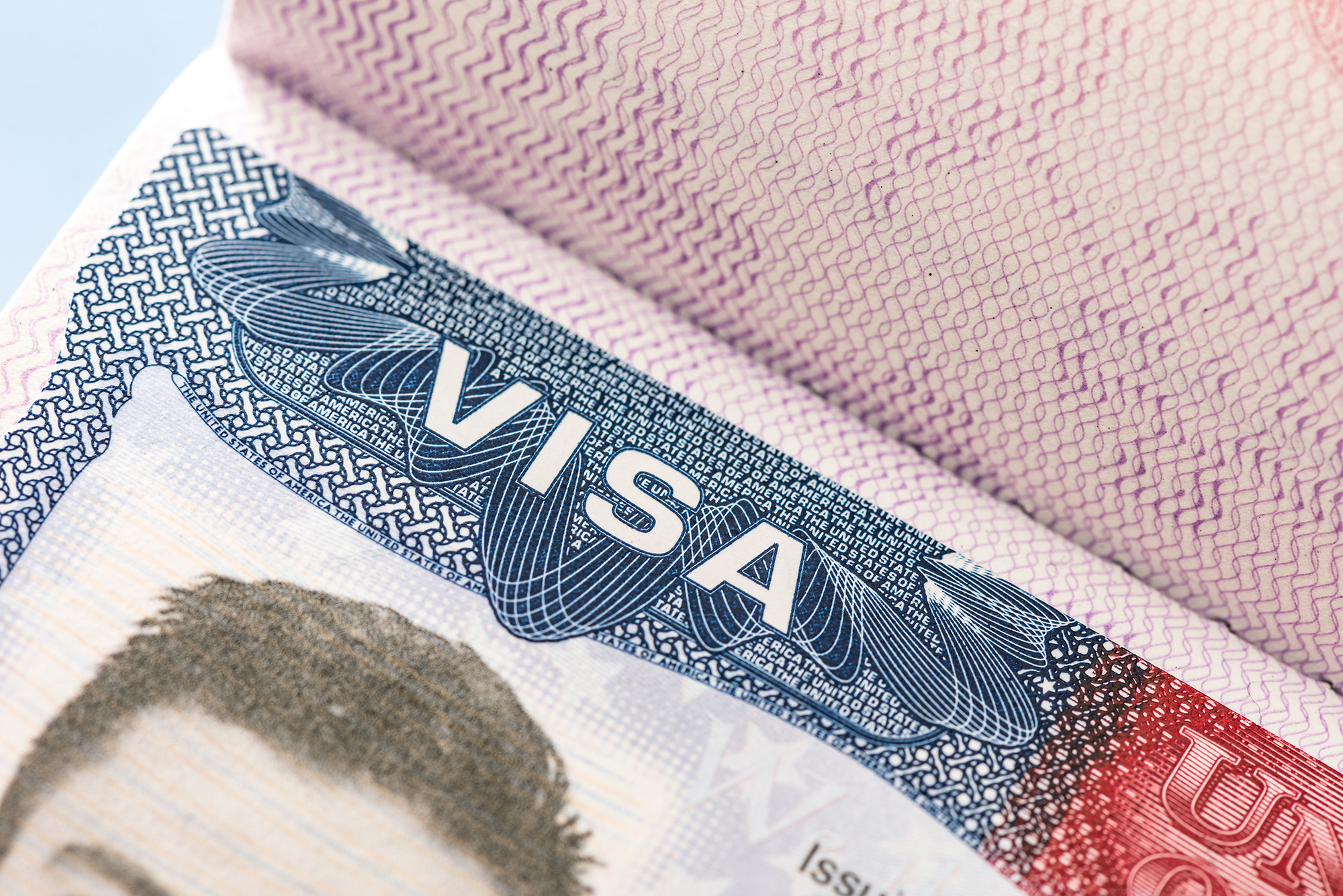
This amicus brief argues that a federal district court may review a claim for unreasonable delay when an immigrant visa application is in administrative processing for around two years after the interview occurred. The brief supports the district court’s conclusion that administrative processing is not a final decision by the consular officer. This brief argues that placing a visa application into administrative processing is a refusal under Immigration and Nationality Act (INA) § 221(g), 8 U.S.C § 1201(g), which is not a final decision, as contrasted with denying a visa because the applicant does not meet the eligibility requirements. The brief requests that the D.C. Circuit uphold the reasoning of the majority of federal district court decisions within its jurisdiction that a § 221(g) refusal is not a final decision and reject a contrary non-binding decision by a D.C. Circuit panel in Karimova v. Abate, No. 23-5178.
The amicus brief argues that the district court decisions recognized the lack of finality in § 221(g)’s statutory language and State Department regulations and interpretations while Karimova assumes, without citing any authority, that “refusal” in § 221(g) means “final.” The amicus brief also supports the district court’s conclusion that the consular nonreviewability doctrine does not bar judicial review of a visa delay claim. The brief argues that the doctrine—created by the judiciary to preclude interference with a consular officer’s decision to deny a visa—does not apply to a § 221(g) refusal where the consular officer has not yet decided whether to grant or deny. The brief also argues that the consular officer has a nondiscretionary duty to decide the visa application within a reasonable time so Congress did not intend to place delay beyond judicial review.
The American Immigration Council filed this amicus brief with the American Immigration Lawyers Association.