 The American Immigration Council is a non-profit, non-partisan organization.
 Written by Alimatou Sarr, State & Local and Policy Intern
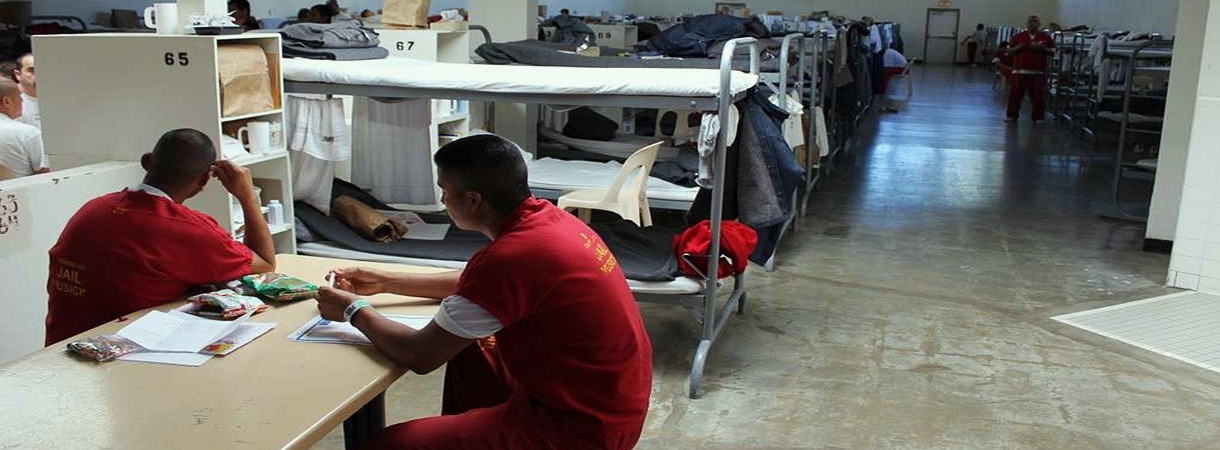
Recent hunger and labor strikes by hundreds of detained noncitizens at the privately-operated Delaney Hall immigration detention center generated widespread scrutiny and protests against allegations of abuse and mistreatment. Among their complaints, detained noncitizens alleged that U.S. Immigration and Customs Enforcement (ICE) routinely engaged in medical neglect, served spoiled food, and used coercive practices to get people to sign deportation paperwork.
These types of allegations are nothing new. 1,000 miles south of New Jersey, human rights organizations have documented several cases of medical neglect in Florida facilities. Including a woman who required emergency surgery after being denied care for painful gallstones. She was ultimately returned to her cell after surgery, without her prescribed medication
Secretary of the Department of Homeland Security (DHS), Markwayne Mullin, has previously denied reports of inadequate food and medical care to Congress. However, there is a documented spike in deaths of detained individuals, including by suicide, in detention facilities across the country. DHS has reported over 50 deaths since the start of the second Trump administration, and over 20 deaths in 2026 so far.
Physicians and human rights groups report that 2026 is on track to be the deadliest year in ICE’s history.
The Trump administration has also terminated some humanitarian protections, slowed down the processing of immigration benefits, and has dramatically expanded mandatory detention to noncitizens who have lived in the U.S. for decades. This makes any noncitizen without permanent protections more vulnerable to prolonged detention regardless of their compliance with the law. The rapid expansion of detention and deportation has severely strained the capacity of an already abuse-ridden detention system.
A record of systematic failures
Hunger strikes by detained noncitizens are occurring across the country, including in California and Arizona. They join past protestors, like those held in the Yuba County jail who struck multiple times in 2019 due to lack of water and bug infestations. And detained individuals in the Berks County facility years prior, who protested delayed care that often left sick children without medication. Berks County was ultimately shut down under the Biden administration due to persistent issues.
DHS similarly terminated its contract with the Irwin detention facility in Georgia, after Senate investigations and formerly detained women came forward to describe unwanted surgeries conducted by a gynecologist at the facility. However, the reopening of Irwin and other closed facilities by the Trump administration reflects the broader strategy of mass detention, regardless of the conditions within detention centers.
ICE and the organizations it contracts with have long struggled to meet departmental standards for humane conditions. A summary of 17 unannounced inspections conducted from 2020-2023 by DHS’s Office of Inspector General (OIG), found that “regardless of time, location, detainee population, and facility type, ICE and facility staff have struggled to comply with aspects of detention standards.”
The American Immigration Council has also filed multiple complaints related to medical neglect over the years. This includes a 2018 report filed with the OIG, that described how medical staff at a Colorado facility failed to call emergency services for nearly an hour after a detained individual woke with chest pains. He would, unfortunately, pass from cardiac arrest mere hours later.
While administration officials argue that detained individuals receive the best care they could hope for in their circumstance, a review of reports from the OIG and the now shuttered Office of the Immigration Detention Ombudsman (OIDO) reveal striking patterns of neglect.
Prior to its closure, OIDO staff routinely mediated medical complaints made by detained noncitizens across the country. In its 2023 report, the office noted that a diabetic individual only received their first diabetic meal three months into detention after OIDO staff intervened. The Trump administration, however, seems intent on obscuring these realities from the public.
The administration has also turned away officials, like members of Congress, who seek to conduct independent investigations of facilities within their jurisdiction. Without proper oversight and mediation, it is unclear to what level the basic needs of detained people are being met.
Given that ICE and its contractors have long struggled to meet basic humanitarian standards, the rapid expansion of detention through the Trump administration’s mass deportation policies has understandably exacerbated existing issues. This points to years of systematic failings to ensure that people have access to proper medical care and clean facilities.
This is especially troubling since 70 percent of detained individuals have no criminal conviction.
Prioritizing humanity in policy
The immigration detention system does not need to be as punitive and carceral as it is today. After all, it is a civil system whose purpose is meant to ensure that noncitizens complete their immigration processes, not punish people for civil immigration violations. Each death in detention and report of abuse shows that the system is prioritizing punishment over justice.
The Council released a forward-facing framework aimed at building an immigration enforcement system that is transparent and humane. That way noncitizens are given clear guidance to pursue legal pathways for which they may be eligible, and those in violation of the law face proportional consequences rather than detention or deportation as a one-size-fits-all response.
Upholding the rights to dignity and health that are foundational to our society requires shifting the focus of interior enforcement from meeting detention and deportation quotas, to developing policies that keep families together and protect communities from undue harm.
A system that prescribes disproportionate consequences for civil immigration cases or denies the right of food and healthcare to people forced to remain in detention, builds a culture of fear and distrust that makes us all less safe.