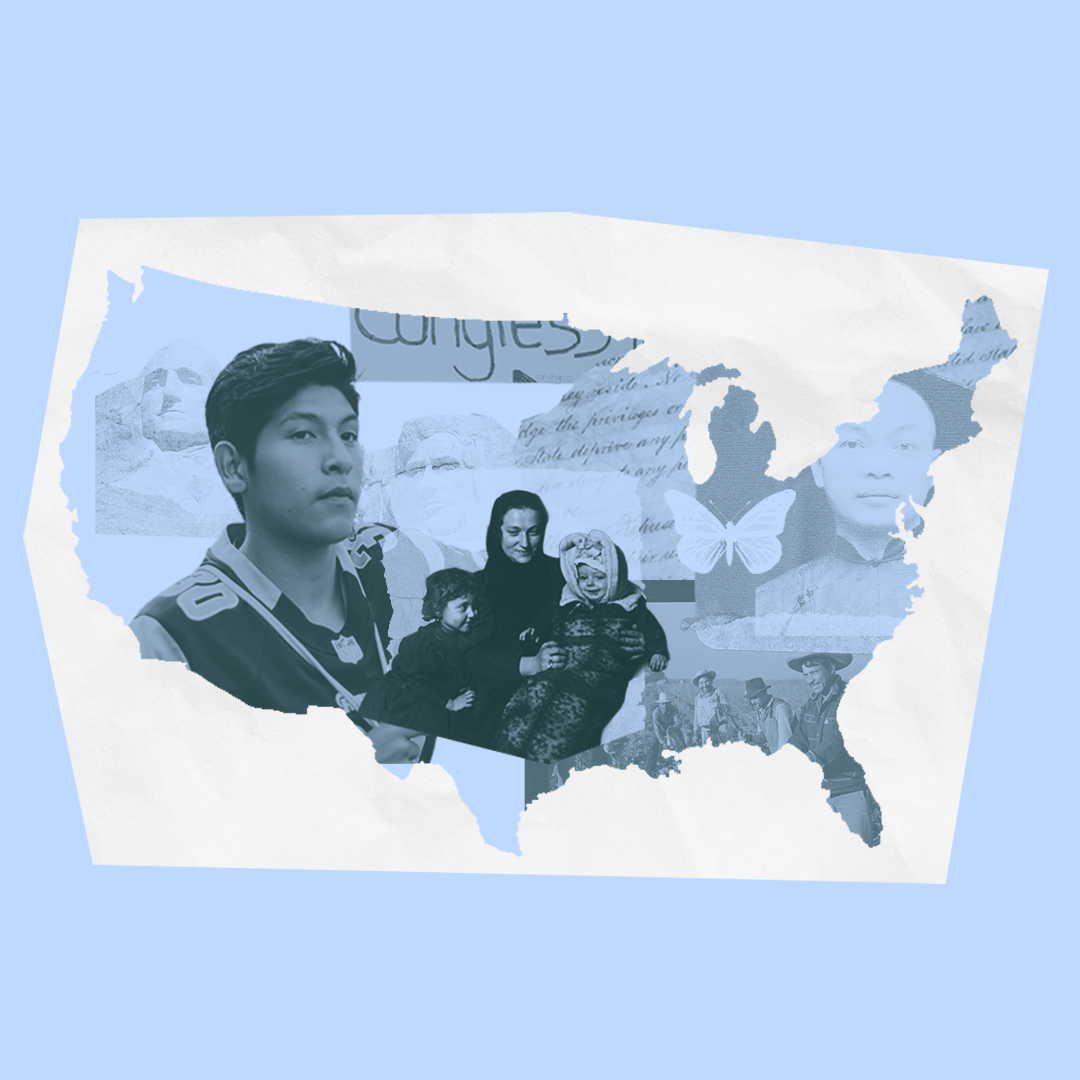
So much has changed in recent years that it’s easy to spot the differences. But what if, instead of seeing difference as a divider, we saw it as a multiplier—shaping new possibilities?
By sharing stories, we build understanding. Through that understanding, we shape what comes next. Our future depends on what we imagine together, when we listen and learn from one another.
This year, Welcoming Week (September 12–21, 2025) calls us to celebrate differences and spotlight what we share in common through Stories We Share.
Welcoming is a core part of who we are and who we’ve always been. No matter how different our cultures, we share traditions and stories that began in community—through commonalities, care, and connection as neighbors and friends.
During Welcoming Week, bring your community together around the stories that connect us and make us stronger.
3 Ways to Put Welcoming Into Practice
Across the country, local communities are leading creative efforts to welcome new neighbors. The lessons behind them can inspire each of us to take small, everyday actions in our own neighborhoods. Here are three to try:
1. Honor Roots Through Food and Gardening
Organizations like Denver Urban Gardens and Sustainable Berea are planting seeds from around the world to bring familiarity to immigrant neighbors and create opportunities to learn about diverse cultural backgrounds. You don’t need a full garden to do the same. Even one balcony pot or indoor plant can spark connection. Ask a neighbor what food they miss from back home and try planting it. Visit your farmer’s market, buy produce meaningful to another culture, and share it with a neighbor to start a conversation. If you’re in a food co-op or community garden, suggest planting one or two crops from a different culture.
Denver friends can explore Denver Urban Gardens’ Culturally Inclusive Seeds program to access free seeds: dug.org/food-access-programs/culturally-inclusive-seeds.
2. Bring People Together Around a Shared Hobby
Shared activities help all of us feel like we belong. For example, Ozark Literacy Council brought people together to collaborate on an internationally themed quilt and other projects. You don’t need to sew to do the same. Invite a new neighbor to join you in baking, painting, or watching a favorite sport. If you create art, trade skills or patterns with a neighbor. Whatever the hobby, time together opens space to share stories and learn from each other.
3. Share Your Story—and Invite Others to Share Theirs
Organizations like Global Detroit and Willamette University showcase community stories through museums, events, and projects. But belonging also grows through everyday exchanges. Host a story night at home, with snacks and a theme like “a meal that reminds you of your childhood.” Collect short stories from neighbors and feature them in a local flyer, bulletin board, or online (with permission).
Remember: Small Acts Lead to Belonging!
From planting seeds to sharing hobbies to swapping stories, we all have the power to build belonging through small, everyday acts. Welcoming Week is our chance to learn from inspiring efforts nationwide and turn them into everyday connections in the places we call home.
Want more ideas? Read our new report: Transforming Together: Practices and Possibilities from the First Belonging Innovation Lab.