Restrictionists

Bridging the Ethnic Generation Gap: Why an Aging Population Will Depend on a New Generation of Workers
There is a generation gap in the United States and it is not only a difference in age. It is a difference in color as well. The predominantly white Baby Boomers are just this year beginning to reach retirement age. As they leave the labor force and the tax base over the next two decades, a new generation of Latinos and Asians will take their place in the U.S. economy as workers and taxpayers. It is the tax dollars of these immigrants and children of immigrants which will sustain the Social Security and Medicare programs upon which the Baby Boomers will rely. And it is these immigrants and children of immigrants who will become the doctors, nurses, health aides, and countless other workers upon whom so many aging Baby Boomers will depend. Read More

Mandatory E-Verify: An Enforcement Proposal Even Conservatives Don’t Like
Rep. Lamar Smith may find himself whistling in the wind this week as members of his own party continue to blast his E-Verify proposal. Smith’s bill, The “Legal Workforce Act” H.R. 2885, which continues to get marked up this week by the House Judiciary Committee, would make E-Verify mandatory nationwide. Conservative lawmakers, Tea Partiers, and Libertarians, however, fear that E-Verify—a electronic system that allows employers to verify work eligibility by checking employee data against Social Security Administration records—will violate civil liberties, hurt small businesses, and destroy the agriculture industry which relies heavily on undocumented labor. Read More
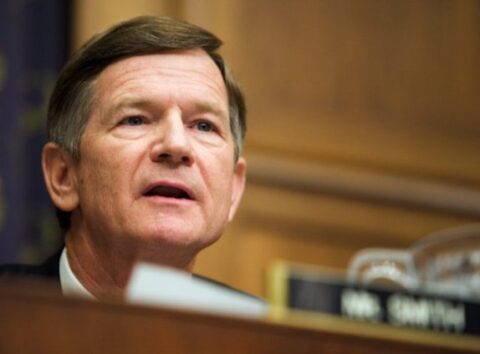
Lamar Smith’s E-Verify Arguments Defy Logic and Lack Evidence
Facing opposition from the left and the right, Rep. Lamar Smith appears to be willing to do and say just about anything to pass his “Legal Workforce Act,” (H.R. 2885), which would make E-Verify mandatory for all U.S. businesses. Smith continues to tout E-Verify as a magic bullet that will create jobs for millions of American workers despite all evidence to the contrary. Read More

President Obama’s Very Legal Move on Immigration
DHS’s recent announcement on enforcement priorities suggests that the agency, along with the Department of Justice, is serious about trying to target those persons who pose a threat to public safety. Unfortunately, there has been little official communication from either agency about the initiatives underway to review current immigration court cases or to issue broader guidance within DHS on prosecutorial discretion, both follow ups to guidelines issued in a June memo from ICE Director John Morton. To fill the void, immigration advocacy groups have attempted to explain what these initiatives are not: NOT an amnesty, NOT a blanket deferral of removal program for all DREAMERs or anyone else, and NOT an abandonment of the deportation laws. But because there has been little official guidance, Administration opponents and immigration restrictionists are doing their best to reshape the policy into all of these things and more. Read More

Anti-Immigrant Activists Hysterical Over Recent DHS Guidelines
Anti-immigrant activists are nothing if not predictable. They scream “amnesty” whenever any administration or congress tries to inject a little justice and humanity into our broken immigration system. So, naturally, the anti-immigrant crowd has been screaming “amnesty” without pause since August 18—the day the Department of Homeland Security (DHS) announced that it would review all of the nearly 300,000 pending deportation cases in order to identify those which are “low priority” and should be “administratively closed.” In other words, DHS will focus on deporting dangerous criminals rather than dishwashers. Read More

Latino Leaders Defend DHS’s Announcement to Focus on High Priority Immigration Cases
Clarissa Martinez, Director of Immigration and National Campaigns at NCLR. As the dust continues to settle around the Department of Homeland Security’s (DHS) announcement last week that it will review some 300,000 pending deportation cases on a case-by-case basis as well as issue agency-wide guidance on using discretion to focus resources on high priority cases, some groups were quick to dismiss the announcement as political pandering. Predictably, restrictionist groups reacted like they always do whenever the administration does something to improve the immigration system—by screaming “amnesty” and accusing the administration of making end runs around congress. Today, however, leaders from the Latino community defended the administration’s actions as “a huge step forward” and even invited critics to come to the table with their own rational immigration policies. Read More

DHS Announces Expansion of Prosecutorial Discretion Guidelines
Today, the Department of Homeland Security (DHS) announced an agency-wide expansion of prosecutorial discretion guidelines that will hopefully allow immigration officials to focus their enforcement efforts on targeting dangerous criminals. DHS also announced the creation of a joint committee with the Department of Justice (DOJ) that will review nearly 300,000 immigration cases currently in removal proceedings to determine whether cases are low priority enough to be closed. The factors for determining low priority cases were outlined last June in a memo issued by Immigration and Customs Enforcement (ICE) Director John Morton. While many immigration groups applaud today’s announcement, many are still concerned about DHS's ability to successfully implement these guidelines. Read More

50 States Work on Immigration Legislation While Congress Refuses to Act
The National Conference of State Legislatures (NCSL) recently released an analysis of the number of immigration-related proposals introduced at the state level between January and June of 2011. NCSL found that more immigration-related bills (1,592) were introduced in the first half of 2011 than in the same time period in 2010 (1,374). While the bills weren’t all bad—representing both a mixed bag of punitive and progressive proposals—they tell a bigger story of 50 states grappling with a broken immigration system while Congress sits back and watches. Read More

Immigration Restrictionists Take SB 1070 to Supreme Court
More than a year after SB 1070 was initially enjoined in federal court, the immigration restrictionists behind Arizona’s misguided immigration law have brought their case to the Supreme Court. Proponents of SB 1070 are likely to hail the state’s petition, filed yesterday, as not only the first step toward reversing the injunction against the law’s most punitive provisions, but toward cementing states’ role as the primary enforcers of federal immigration law. While we won’t know whether the Justices will even hear the case until at least October, the petition already foretells an uphill climb for Paul Clement, the attorney representing Arizona and former Solicitor General under President Bush, to persuade the Court to overturn long established principles. Read More
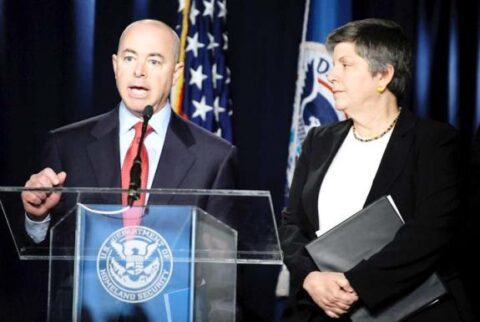
DHS Acknowledges that U.S. Immigration Policy Needs to Spark Economy and Attract Entrepreneurs
By PAUL ZULKIE, PRESIDENT OF THE AMERICAN IMMIGRATION COUNCIL Yesterday, Department of Homeland Security (DHS) Secretary Janet Napolitano and U.S. Citizenship and Immigration Services (USCIS) Director Alejandro Mayorkas announced a series of policy initiatives designed to “fuel the nation's economy and stimulate investment” by attracting foreign entrepreneurs who can invest in fields of high unemployment, create jobs, and form startup companies. It is encouraging that USCIS recognizes that immigrant entrepreneurs and innovators are a key to continued growth and to maintaining America’s competitive edge into the 21st century. It’s important that the agency keep this recognition in mind as it adjudicates visa petitions and applications. Read More
All gifts are matched dollar for dollar
No one should face the immigration system alone