Elections & Voting
The growth in the immigrant population has helped to strengthen and remake America over the last two decades. Today, as thousands of baby boomers retire each day, working-age immigrants are filling gaps in the labor market, paying billions of dollars in taxes that help our entitlement programs survive, and buying homes in communities that would otherwise be in decline. Millions of immigrants have also earned U.S. citizenship and the right to vote while millions more are estimated to be eligible to naturalize.

Immigrants Boosted The Housing Market By $3.7 Trillion, Study Says
The Huffington Post June 20, 2013 Immigrants have boosted the value of the U.S. housing market by a whopping $3.7 trillion from 2000 to 2010, according to new data co-published by the Americas Society/Council of the Americas and the Partnership for a New American Economy. The organizations say the data,… Read More
America’s Assimilating Hispanics
The Wall Street Journal June 17, 2013 As immigration reform moves through Congress, one claim by opponents is that this time immigration is different because the country’s latest arrivals aren’t assimilating. On the contrary, however, the evidence overwhelmingly shows that today’s immigrants are acculturating and moving up the economic ladder… Read More
Polls: Huge Support for Immigration Reform
Politico June 13, 2013 Immigration reform continues to attract broad public support as the Gang of Eight compromise legislation moves through the Senate, according to a huge raft of polling conducted for three pro-reform groups: the Partnership for a New American Economy, the Alliance for Citizenship and Republicans for Immigration… Read More
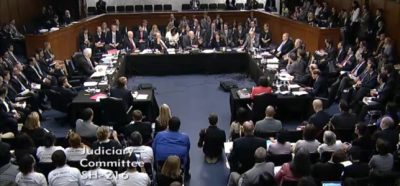
What Does the Success of the Mark-Up Tell us About the Coming Full Senate Vote on Immigration?
One year ago, with the presidential race in full swing and proponents of self-deportation making the headlines, it would have been difficult to predict the extraordinary vote that took place Tuesday in the Senate Judiciary Committee. Ten Democrats and three Republicans voted to pass S. 744 out of committee and send a comprehensive immigration bill to the Senate floor. This could never have happened without the overwhelming support for immigration reform that the public has shown, particularly since the November 2012 election. Even with that support, however, there was no guarantee that the long, slow process of negotiating and drafting a bipartisan bill that could succeed in committee (and then the Senate floor) would ever come to fruition. And once a bill is introduced, getting it through committee requires a mix of political acumen to keep the bill alive. Read More

Survey: Asian Americans Concerned with Legalization, Family Backlogs
In the current debate, immigration is often depicted as a Latino issue. This is partially because just over half of America’s foreign-born population is from Latin America and the Caribbean, and the current political climate around immigration is largely seen as being driven by Latino turnout for Democrats in the 2012 election. But this depiction glosses over the millions of immigrants – documented and undocumented – who hail from other parts of the globe. Read More

Getting to a Citizenship Consensus
Immigration reform is enjoying a resurgence of support in both parties, with groups from a variety of backgrounds coming out in favor of a range of changes to our current system. The most striking change may be the melting of opposition to a pathway to citizenship for the 11 million undocumented immigrants in the U.S. But acceding to citizenship and creating a system that will actually allow people to get there are two different things. Read More

Countdown of the Top Five Immigration Stories of 2012
In the beginning of 2012, the landscape of the immigration world looked much different. Pro-immigrant groups were coming off of a rough few years that saw the failure of the DREAM Act, a spike in deportations under President Obama, and the passage of several state-level restrictionist bills like Arizona’s infamous SB 1070 and Alabama’s HB 56. However, immediately after the 2012 Presidential election, the discussion around immigration reform was reignited and led with legalization for the 11 million undocumented immigrants currently living in the country. What changed? Here’s our take on five of the biggest reasons 2012 has been a catalyst for change: Read More

Bibles, Badges, Business and Bush + DREAMers Make Immigration Reform Demands Known
While some thought the immigration reform talk immediately after the election was just chatter, a series of convenings and speeches this week demonstrate that the topic of broad immigration reform is on plenty of tables. From DREAMers to President Bush, the call for reform goes on. Read More

This Week’s Immigration Proposals: Old News, Old Ideas
If you follow immigration, but are returning from a month-long, news-free vacation, there’s only one conclusion you would draw from the legislation Republicans offered up this week in Congress: Mitt Romney must have won the presidential election. After all, the ACHIEVE Act, introduced yesterday by retiring Senators Jon Kyl (R-AZ) and Kay Bailey Hutchison (R-TX), which offers temporary legal status but no path to citizenship to DREAMers, is surely the bill they were preparing to offer in the event that a Romney Administration was in the wings. And on the House side, a slightly revised version of the STEM Jobs Act—which failed on the suspension calendar before the election—is back on the floor at the end of this week without changing any of the problems that led to its defeat before. Surely, this suggests that the predictions that immigration would play a decisive role in the presidential election didn’t pan out and that self-deportation as an immigration reform strategy worked. Except, none of this is true. Read More

Kris Kobach Continues Digging Immigration Hole
Despite a general consensus that adopting “self-deportation” as immigration policy helped sink Mitt Romney’s White House aspirations, the architect of this philosophy, Kansas Secretary of State Kris Kobach, isn’t ready to give in. Kobach doesn’t seem to care that most in his party have awakened to the fact that they are in a “death spiral” with Latino voters because of intolerant rhetoric around immigration. Nor does he seem fazed that dozens of young DREAM activists in his state protested at his office last week, demanding his resignation. Read More
All gifts are matched dollar for dollar
No one should face the immigration system alone