Updated on July 23, 2020 with new data on refugees and gender.
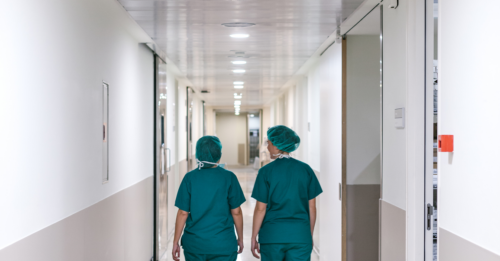
Immigrants who have come to the United States as refugees fled conflict, disaster, and danger in their home countries to find safe haven. Now, faced with a new crisis in their new home in America, many refugee workers are helping fight the coronavirus outbreak both as frontline healthcare workers and as essential workers that keep the country running in these difficult times.
According to the latest data from the American Community Survey, 2018, healthcare is the second most common field for refugees in the United States, with 15.6 percent of all refugees working in the healthcare sector.
Overall, there are more than 176,000 refugee healthcare workers, with some states with large refugee populations, like California, Texas, and Minnesota having significant numbers of refugees.
Refugee Workers in the Healthcare Industry Source: 2018 American Community Survey, 5-year sample.
State
Number of Workers
California
38,900
Texas
13,500
Minnesota
13,000
New York
11,400
Virginia
8,700
Other States
75,000
U.S. Total
161,000
Digging deeper we find that refugees in healthcare tend to concentrate in some key support and frontline roles:
Top 10 Occupations for Refugee Workers in Healthcare Source: NAE analysis of 2018 American Community Survey Data, 1-Year Sample.
Occupation
Share of All Refugee Healthcare Workers
Personal Care Aides
21.3%
Registered Nurses
14.2%
Nursing Assistants
11.5%
Physicians
8.2%
Pharmacists
6.2%
Home Health Aides
5.7%
Licensed Practical and Vocational Nurses
3.3%
Pharmacy Technicians
3.2%
Medical Assistants
3.0%
Clinical Laboratory Technologists and Technicians
3.0%
In some states, they make up significant numbers of the most critical frontline healthcare workers.
Most Popular Healthcare Jobs for Refugee Workers, Selected States Source: 2018 American Community Survey, 5-year sample.
State
Occupation #1
Number of Workers
Occupation #2
Number of Workers
Occupation #3
Number of Workers
California
Nurses
7,500
Health Aides
4,500
Physicians and Surgeons
3,600
Texas
Nurses
2,500
Health Aides
2,100
Physicians and Surgeons
1,000
Minnesota
Health Aides
4,900
Nurses
2,300
n.a.
n.a.
New York
Health Aides
2,600
Nurses
1,700
Physicians and Surgeons
1,200
Virginia
Health Aides
2,000
Nurses
1,500
Physicians and Surgeons
800
Outside of healthcare, we find that refugee workers are also vital to ensuring that America’s food supply chain functions. More than 46,000 refugee workers work in food processing, including more than 9,300 butchers and meat processing workers. More than 31,000 work in grocery stores and supermarkets, including 2,400 shelf stockers and 2,100 freight and stock movers. Meanwhile, more than 77,500 refugee workers work in restaurants and food service establishment, including 14,000 cooks.
Refugee Workers in Food Supply Chain Industries Source: 2018 American Community Survey, 5-year sample. Figures do not add up to total due to rounding.
Industry
Number of Refugee Workers
Agriculture
6,500
Food Processing
46,300
Wholesale Trade
8,600
Groceries and Supermarket
31,000
Restaurants and Food Service
77,500
Total Food Supply Chain Industry
170,000
Refugee Workers in the Food Supply Chain, by State Source: 2018 American Community Survey, 5-year sample.
State
Number of Refugee Workers
California
32,800
Texas
14,900
Minnesota
8,700
Georgia
7,100
Florida
6,500
All Other States
100,100
Refugees in Healthcare
Building off of our research looking at refugees on the front lines of the COVID-19 response, this week, we looked at how this workforce breaks down by gender.
There are approximately 176,000 refugee workers in the U.S. healthcare sector – 70.6 percent — or about 124,200 — are women. Female refugee women are present at all levels of the healthcare workforce, including as:
- Health Aides: 33,700 refugee women
- Nurses: 23,500
- Physicians and Surgeons: 5,500
- Maids and housekeeping cleaners: 4,400
- Dental assistants: 3,500
Refugee men, meanwhile are concentrated in the following occupations:
- Physicians and Surgeons: 8,400
- Health Aides: 7,300
- Nurses: 5,100
- Dentists: 2,600
- Clinical laboratory technologists and technicians: 1,800
Refugees and U.S. Food Supply: Meanwhile, in the U.S. food supply chain, the data also shows that refugees play a significant role.- In 2018, there were 175,000 refugee workers supporting everything from farms, to manufacturers, to food service and restaurants. – 62.2% — or 109,000 — are men.
Like all immigrants and Americans, refugees are doing their fair share of the work that is needed for the country to overcome the immense challenge the Covid-19 outbreak represents.
If you would like to learn more about immigrants in the United States in the time of Covid-19, check out our research portal on Immigration and Covid-19. If you have any specific questions about our data, please reach out to us at [email protected].