Due Process and the Courts
What does the constitution say about due process?
The Fifth Amendment to the Constitution says clearly that no person shall be deprived of life, liberty, or property without the due process of law. Note that this says person, not citizen, and over the years the Supreme Court has consistently ruled that the Due Process Clause applies to all people in the United States.Do non-citizens have the right to due process in the U.S.?
Yes. The Constitution guarantees due process rights to all "persons," not just citizens. This means non-citizens, including undocumented immigrants, are entitled to fair treatment under the law. This includes the right to defend themselves in court. But recent Trump administration policies that speed up deportations and limit access to legal representation make it harder for non-citizens to get their fair day in court.- Access to legal representation Access to legal counsel is an essential part of our justice system and our democracy. In the criminal justice system, anyone facing even one day in jail gets a lawyer if they can't afford one. But immigrants facing deportation usually don't get that chance.The research is clear – the most effective way to ensure some level of due process for people navigating our complicated immigration system is for them to have trained attorney at their side. But Trump administration is now working to strip attorneys from as many people as possible, all in the name of increasing its deportation numbers. This attempt to eliminate basic due process will hurt people who already have few options.
- Fair day in court Due process guarantees that individuals have the opportunity to defend themselves in court. This includes non-citizens facing deportation.
Why is due process important?
We are seeing right now the importance of due process when it comes to President Trump's actions to carry out the so-called Alien Enemies Act, a 1798 wartime law that permits people to be deported outside of the normal framework of immigration law. President Trump has alleged that this law allows him to simply point at any person, declare them to be an alien enemy, and kick them out of the country without ever having a chance to see a judge. Thankfully, the Supreme Court said that is not true, and in a unanimous decision, ruled that people can challenge the Trump administration's invocation of the Alien Enemies Act. That is why due process is so important, because it means that no person can be rounded up and sent to another country without a chance to go to court and make the government prove their case.How is the American Immigration Council working to protect due process?
- We serve thousands of individuals in immigration detention centers through the Immigration Justice Campaign, our initiative with the American Immigration Lawyers Association. The Justice Campaign provides free legal services for immigrants who would otherwise have to navigate our complicated immigration system without a lawyer.
- We use the courts to demand a fair process for immigrants. Our litigation team is fighting back against the Trump administration’s blatant disregard for due process including filing a lawsuit challenging their illegal detention of immigrants in El Salvador’s notorious Terrorism Confinement Center (CECOT).

After 30 Years, Plyler v. Doe Decision Survives but Remains Under Attack
Thirty years ago today, the Supreme Court issued its landmark decision in Plyler v. Doe, holding that states cannot deny a free public education to students for lack of valid immigration status. The decision has since opened the schoolhouse doors to untold numbers of children who might otherwise be deprived of a basic education. Yet today, the decision remains under continued attack from critics who—as part of an ongoing effort to put the issue back before the Justices—appear willing to sacrifice the welfare of U.S. citizens. Read More

Legal Action Center Files Suit Against DHS for Failure to Disclose Records on “Voluntary” Returns
Washington D.C. – Yesterday, the Legal Action Center (LAC) at the American Immigration Council, in collaboration with Hughes Socol Piers Resnick & Dym, filed suit against Customs and Border Protection (CBP) and the Department of Homeland Security (DHS) for unlawfully withholding records concerning voluntary returns of noncitizens from the United… Read More
Council Reveals Government’s Interference with Noncitizens’ Access to Legal Counsel
Washington D.C. – Today, the American Immigration Council’s Legal Action Center released a report and filed a Freedom of Information Act (FOIA) lawsuit on the pressing issue of noncitizens’ access to counsel. Reports from across the country indicate that the Department of Homeland Security’s (DHS) immigration agencies—U.S. Citizenship and Immigration… Read More
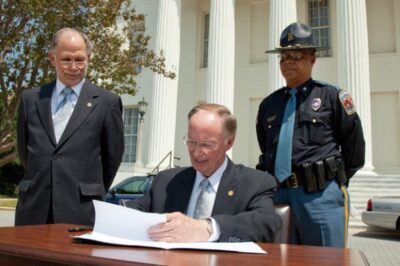
Alabama Governor Signs Bill That Makes State’s Immigration Law Even Worse
Last week, Alabama Governor Robert Bentley publically criticized a bill intended to revise key sections of the state’s controversial immigration law (HB 56). He even announced a special legislative session to address his issues with the bill—namely, a provision that requires school officials to check the immigration status of enrolling students and that of their parents and a provision that requires Alabama’s Department of Homeland Security to publically post the names of undocumented immigrants on their website. The day after his announcement, however, Governor Bentley backpedaled his criticisms, declared the legislature didn’t have the “appetite to address further revisions,” and signed the bill (HB 658) into law. Read More

Obama Administration Files Suit Against Arizona Sheriff Joe Arpaio
Earlier today, the Department of Justice filed suit against Sheriff Joe Arpaio and the Maricopa County (AZ) Sheriff’s Office alleging a pattern and practice of discriminatory behavior against Latinos. According to the complaint, officers under Arpaio’s command targeted Latino drivers during traffic stops and neighborhood sweeps, and used ethnic slurs against Latino inmates with limited English proficiency in county jails. The suit, which was filed in federal court in Arizona, comes five months after the Department’s Civil Rights Division issued a report based on an extensive investigation that contained similar findings. Read More

After Justice Department Admits Mistake, Immigrant Advocates Ask Supreme Court to Fix Prior Opinion
Of the many problems with our immigration system, one of the least known—but most frustrating—is that when the government deports immigrants whose appeals are still pending, it offers little to no help returning to the United States if they ultimately prevail in court. Immigrant advocates were thus perplexed when the Justice Department filed a Supreme Court brief in 2008 claiming to have a “policy” of helping such immigrants return to the country. Now, more than three years after the brief was filed, the current administration has conceded that no such policy existed at the time—and immigrant advocates have asked the Court to modify a portion of its ruling that relied on the government’s misstatement. Read More

Supreme Court Asks Hard Questions at Oral Arguments Over Arizona SB 1070
Almost two years to the day after Arizona enacted the notorious immigration law known as SB 1070, the Supreme Court heard arguments in what could be the first of many cases over the validity of the measure. Although most critics of the law have focused on its potential for civil rights violations, the only question before the Justices was whether federal immigration laws “preempt” four provisions of SB 1070 that were blocked by lower courts. While the ultimate fate of those provisions will not be known until a ruling is announced, a few preliminary observations can be made based on the questions posed by the Justices. Read More
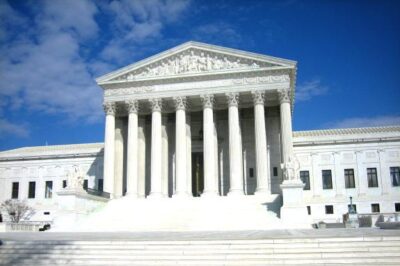
Five Things to Know Before the Supreme Court Hears Arguments on Arizona SB1070
In less than 48 hours, the Supreme Court will hear oral arguments in Arizona v. United States, the long-anticipated dispute over the legality of SB 1070. More than any case in recent history, the dispute raises fundamental questions about the role of states in the enforcement of federal immigration law. The Court’s decision could thus determine not only the future of SB 1070, but the fate of other state immigration laws being challenged in court and the odds of similar laws being passed around the country. While much ink has already been spilled about the case, below we’ve highlighted five important facts to remember before the argument. Read More
AIC Challenges BIA Decision Denying Miranda-like Warnings to Immigrants Under Arrest
Washington, D.C.—On Friday, the American Immigration Council challenged a decision by the Board of Immigration Appeals (BIA) ruling that immigrants who are arrested without a warrant do not need to receive certain Miranda-like warnings before being interrogated. Under federal regulations, immigration officers must advise such noncitizens of the reason… Read More

Does the Punishment Fit the Crime? Experts Examine “Proportionality” and “Discretion” in Our Immigration System
As immigration becomes an ever more controversial part of the American debate, conversations often turn to details about legislation and court battles rather than questioning whether fundamental principles of justice are being applied throughout our immigration system. Two new reports released today, however, address some of these key principles, such as the idea of proportionality (whether the punishment fits the crime in immigration court) and the idea of discretion (how and when immigration law is applied). While these reports probe different areas of immigration law, they both represent a new way of thinking about how our immigration system functions, or at least should be functioning, today. Read More
All gifts are matched dollar for dollar up to $75,000
No one should face the immigration system alone