Temporary Protected Status
What is Temporary Protected Status (TPS)?
Temporary Protected Status (TPS) is a temporary immigration status provided to nationals of specifically designated countries confronting ongoing armed conflict, natural disaster, or other extraordinary and temporary circumstances that make returning difficult or unsafe. TPS provides protection from deportation and a work permit to those foreign nationals who are present in the United States at the time the U.S. government makes the designation. The Department of Homeland Security secretary can make TPS designations for 6, 12, or 18 months at a time. At least two months prior to the expiration of a country’s TPS, the secretary must decide whether to extend or terminate a designation. The secretary makes these determinations based on the country’s current conditions, focusing on whether nationals may safely return. The U.S. government has given TPS to a total of 29 countries or territories since Congress created the status in 1990, with several countries maintaining TPS designations for decades.Which countries have TPS?
The following countries are designated for TPS, though due to a recent Supreme Court ruling, all are at risk of losing status. Ongoing lawsuits may impact the termination dates listed below:- Burma (January 24, 2026, termination date suspended by court order)
- El Salvador (Extended until September 9, 2026)
- Ethiopia (February 13, 2026, termination date suspended by court order)
- Lebanon (Valid through November 27, 2026)
- Somalia (March 17, 2026, termination date suspended by court order)
- South Sudan (January 5, 2026, termination data suspended by court order)
- Sudan (Extended until October 19, 2026)
- Ukraine (Extended until October 19, 2026)
- Yemen (May 4, 2026, termination date suspended by court order)
How many people have TPS?
The number of people with TPS has dramatically decreased since President Trump took office, with the administration moving to terminate 13 out of 17 designations. At the start of the Trump administration, approximately 1.3 million people had TPS. As of June 2026, that number falls just below 300,000. In total, at least 700,000 people lost their TPS status in 2025 alone, including nationals of Afghanistan, Cameroon, Honduras, Nepal, Nicaragua, and Venezuela.Can the president end TPS designations?
Yes, a recent Supreme Court ruling essentially gave the president unchecked power to end TPS designations. On June 25, the Supreme Court issued a decision in Mullin v. Doe, a case challenging the administration’s efforts to terminate TPS for Haiti and Syria. The court’s 6-3 ruling, made along party lines, clears the way for the administration to terminate the protections. The ruling overturns lower court decisions that blocked the administration from ending TPS for Haiti and Syria. When the administration initially made the terminations, federal courts in New York and Washington DC determined that it failed to follow the required legal process to do so. Under the correct procedures established by Congress, TPS should only be terminated if an interagency review determines that conditions in the country have improved. Instead, documents uncovered during the case revealed that former DHS Secretary Kristi Noem ignored her own department’s recommendations to extend TPS for Haiti — a country the State Department warns Americans not to travel to due to heightened risk of “crime, terrorism, kidnapping, unrest, and limited health care.” Despite the lower court rulings and exposed communications, the Supreme Court ruled that a provision of the TPS statute prevented courts from hearing any lawsuits challenging the DHS secretary’s failure to follow the required legal procedures. In addition, the majority opinion declared that President Trump’s repeated public denigration of Haiti and Haitians did not rise to the level of unconstitutional racial animus that would permit a court to set aside the TPS decision.What will the impact be of ending TPS?
Once this decision goes into effect, hundreds of thousands of people lawfully present in the country will lose their legal status. The decision will also permit the administration to return to federal court in other cases and overturn decisions ruling against the termination of TPS for countries such as Venezuela, Somalia, Ethiopia, and others. Also at risk are almost 200,000 Salvadorans who have had TPS for over 25 years and 50,000 Ukrainians who have had it since the outbreak of the Russia-Ukraine war. The ruling will likely have devastating effects on the economy. Healthcare groups have flagged that thousands of Haitian nurses, home health aides, and other healthcare workers are expected to lose their jobs. The administration has extended work authorization for Haitian TPS holders until July 24, but that is only a stopgap for what is likely to be a mass exodus of qualified, skilled employees. Unless Congress takes steps to provide permanent legal status to TPS holders, hundreds of thousands are now vulnerable to losing work authorization and facing deportation.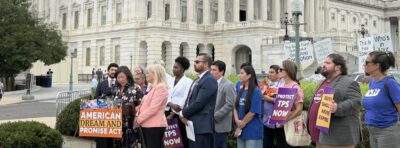
Dream and Promise Act: A Chance for Congress to Protect Millions from Job Loss, Mass Deportation
Congress has a chance to take steps to protect hundreds of thousands of immigrants who are facing the likely prospect of job loss, arrest, and deportation after a Supreme Court decision last month empowered the Trump administration to dissolve the critical protections for nearly any reason. Beginning July… Read More
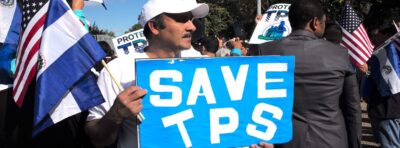
Confusion and Worry Grow as Temporary Protected Status Set to Expire for Hundreds of Thousands
On June 25, the Supreme Court delivered a decision which struck like a lightning bolt, burning the hopes of hundreds of thousands of people with Temporary Protected Status who were anticipating that the Court might let their lawsuit against the Trump administration move forward. Instead, the Court… Read More
Supreme Court Allows Trump to Strip TPS, Turn Away Asylum Seekers Arriving at the Border in Pair of New Immigration Rulings
Today the U.S. Supreme Court issued two seismic immigration law decisions, ruling 6-3 in the Trump administration’s favor in each case. The first case, Mullin v. Doe, overturns lower court decisions blocking the Trump administration’s move to end Temporary Protected Status (TPS) for roughly 350,000 Haitians and… Read More

Prolonged Limbo for Haitian TPS Holders: What Recent Court Decisions Mean
Updates April 13, 2026 — The Supreme Court agreed to hear arguments related to Haitian and Syrian Temporary Protected Status (TPS), with oral arguments taking place in late April and a decision later this summer. The court’s ruling will significantly impact the estimated 6,100 Syrian and 330,000… Read More

Capture of Maduro Proves Trump Has Used Venezuelans as Political Pawns in Immigration Policy
With the capture and prosecution of Venezuela’s President Nicolas Maduro, the United States’ convoluted—and often contradictory—policies toward Venezuelan immigrants have been thrown into stark relief. And Venezuelans living in the United States continue to feel the whiplash. Over the past five years, Venezuelans fleeing political persecution or economic… Read More
Supreme Court “De-Documents” 350,000 Venezuelans – And Keeps Everyone In The Dark About What’s Next
Here are the messages that the 350,000 Venezuelans in the U.S. who were granted Temporary Protected Status in 2023 have heard from the federal government since January: January 17: You can keep your TPS protections until fall 2026. January 28: We’re reviewing whether you can keep your TPS… Read More
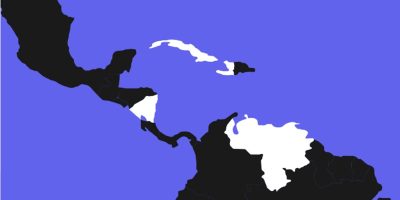
What We Know About Trump’s Efforts to Roll Back TPS For Venezuelans and CHNV Parole
From his first day in office, President Trump made clear that part of his immigration agenda was to strip legal protections from people who currently qualify for them, rendering them deportable as “illegal immigrants.” In his first weeks, the administration has made a few opening moves in that effort,… Read More
Biden Keeps Nearly 1 Million People From Losing Legal Status Under Trump – Until Fall 2026
As one of the Biden administration’s final acts on immigration, the Department of Homeland Security has announced that it is extending four grants of Temporary Protected Status – covering nearly 1 million immigrants from Venezuela, El Salvador, Ukraine, and Sudan – through fall 2026. The extensions will allow people… Read More

Temporary Protected Status: What’s Up With That?
On October 17, the Department of Homeland Security (DHS) announced that Secretary Mayorkas was designating the country of Lebanon for Temporary Protected Status (TPS). Through this designation, DHS expects that as many as 11,000 Lebanese individuals currently in the country will be eligible to apply for a potentially… Read More
Fighting Over Whether Haitian Immigrants Are ‘Legal’ Misses the Point: They’re Legally Vulnerable
As Springfield, Ohio, and its purported (largely invented) problems with its Haitian population have continued to dominate both national news and the presidential campaign, people on both sides have struggled to fit the newly-arrived Haitian population into the conventional boxes of immigration politics: “legal immigrants” versus “illegal” ones. So-called… Read More
Your support moves the American story toward justice, dignity, and belonging.
America's story is an immigrant story.